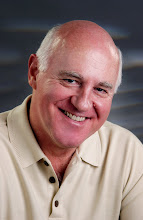
My road to the kitchen did not begin near one. At a tender young age I was milking cows, raising chickens and tending garden on a small farm outside of Logansport in northern Indiana. I grew up under the guidance of a mostly-employed mother and father. When Dad wasn’t employed, he busted my butt daily with chores around the farm. Mom worked to make ends meet yet still rose every morning before everyone else and went to bed after everyone else. When home, she and the kitchen were inseparable.
I ate just about everything. I don’t recall it being an option. First, there was raw hunger. Farming did that to a young boy. Second, rejecting my mother’s cooking would have displeased my father.
If pressed into duty, I could have boiled water for instant coffee, fried some eggs, or a rasher of bacon. Simple stuff. Mostly I gathered - eggs from the henhouse, milk from the cows, veggies from the garden, or fruit from the orchard. The closest I came to meal preparation involved the separation of chickens from their heads.
Chasing down the fowl became a sport. (There wasn’t a lot to do for entertainment on a farm.) Once captured, I gripped the legs tightly, stretched the neck from two narrow nails atop a block of wood, then separated the head from the body with an axe, preferably a sharpened one. I was always amazed by the prowess of a headless five-pound rooster or hen. If not gripped tightly enough, the bird would flop violently for several minutes. This did not please my mother who was standing by with a tub of scalding water. Plucking feathers and gutting chickens was woman’s work. Mom’s fried chicken was legendary - at least to the end of our driveway.
We spent a lot of our waking hours in food-related activities - irrigating the grazing pastures for the milk-cows, or the meat from a steer butchered each year - planting, fertilizing, weeding, spraying and growing vegetables and strawberries for our roadside stand -nurturing the orchard and standing guard against predator blackbirds - raising chickens for fresh eggs and fried chicken. (There was only one way to prepare chicken - fried.)
This relationship with the land is an art now lost in most of the country, though there is a minor movement back. Barbara Kingsolver’s latest book, Animal, Vegetable, Miracle, speaks to this. Growing up, the naturalness of the four seasons and the evolution of plant and animal life seemed integrated into whom we were. Sitting down to eat around the kitchen table, or Sunday dinners in the dining room, connected us to each other and to our environment. The kitchen was the center of our family’s lives. We rarely think much about that kind of life until it is gone.
After marriage, PJ and I tag-teamed the kitchen duties. Whoever had the toughest schedule stayed out of the kitchen. One of us (alternately) was both working and taking classes the first eight years of marriage. It was pretty simple fare in those days. Our wine tastes hadn’t progressed much past Almaden Hearty Burgundy. When I formally banded her from the kitchen 20 years ago, it took some serious scrubbing to get the tire tread marks off of the floor after she burnt rubber while exiting.
Showing posts with label Barbara Kingsolver. Show all posts
Showing posts with label Barbara Kingsolver. Show all posts
Wednesday, March 18, 2009


Friday, May 30, 2008
"You Don't Know What You've Got 'Til It's Gone"
Carole King's refrain bubbled up the other day while I was sniffing and fondling vegetables at my local farmer's market. I am a passionate consumer of fruits and vegetables, though the USDA's food pyramid's guidelines of at least five servings per day, weighs me down. Adherence to the food pyramid would easily layer on another ten pounds per year.
The City of Orange, California recently sanctioned a Thursday farmer's market in a mall's parking lot. Previously the closest sizeable market was 20 miles away. With gas in Southern California now at $4.20 per gallon and climbing, miles matter more.
The refrain recall connected me back to that small farm of my youth outside of Logansport, Indiana. Those were far from halcyon days, but they are remembered now more wistfully than not. Growing up, the naturalness of the four seasons and the annual evolution of plant life seemed integrated into who we were. We were our own farmer's market. Sitting down to eat what we harvested that day connected us to each other and to our environment.
We rarely think about that life until it is gone. This relationship with our nourishing land (assuming we are proper stewards of it) is an art now lost in most of the country, though there is a minor movement back. Barbara Kingsolver's (one of my favorite authors) latest book, Animal, Vegetable, Miracle speaks to this.
My vegetable standards have risen in recent years, buying more organic items, and pondering the carbon footprints of supermarket servings. Most supermarkets import fresh or somewhat fresh foodstuffs from all over the world, year around. But if you're even remotely paying attention to that non-controversial global warming "controversy", you don't want to see a carbon-mapping of that food distribution system. You will have oil all over your hands.
My food and beverage shopping stops now total seven outlets, though 50% comes from one supermarket, which is also the closest of the seven.
It is tempting to turn our small backyard into a vegetable garden, building upon my herb patch, and lime and lemon trees. But I suspect my neighborhood association vigilante committee would turn me in for not seeking landscaping approval. Besides, our dog wouldn't have a place to dig.
This past Thursday at the mall market, I bought asparagus, arugula, heirloom baby tomatoes, broccoli, baby carrots, and strawberries, all organically-grown. Some vendors had traveled from as far as Fresno, four hours north. I have no idea how these vendors are selected or self-selected, but four hours seems far, and gas-guzzling.
If you are metropolis or suburb-opolis based like me, do some research and find the nearest and best farmer's market. Support your local, or somewhat local, farmers. They learned more in cow college than just coddling cows.
The City of Orange, California recently sanctioned a Thursday farmer's market in a mall's parking lot. Previously the closest sizeable market was 20 miles away. With gas in Southern California now at $4.20 per gallon and climbing, miles matter more.
The refrain recall connected me back to that small farm of my youth outside of Logansport, Indiana. Those were far from halcyon days, but they are remembered now more wistfully than not. Growing up, the naturalness of the four seasons and the annual evolution of plant life seemed integrated into who we were. We were our own farmer's market. Sitting down to eat what we harvested that day connected us to each other and to our environment.
We rarely think about that life until it is gone. This relationship with our nourishing land (assuming we are proper stewards of it) is an art now lost in most of the country, though there is a minor movement back. Barbara Kingsolver's (one of my favorite authors) latest book, Animal, Vegetable, Miracle speaks to this.
My vegetable standards have risen in recent years, buying more organic items, and pondering the carbon footprints of supermarket servings. Most supermarkets import fresh or somewhat fresh foodstuffs from all over the world, year around. But if you're even remotely paying attention to that non-controversial global warming "controversy", you don't want to see a carbon-mapping of that food distribution system. You will have oil all over your hands.
My food and beverage shopping stops now total seven outlets, though 50% comes from one supermarket, which is also the closest of the seven.
It is tempting to turn our small backyard into a vegetable garden, building upon my herb patch, and lime and lemon trees. But I suspect my neighborhood association vigilante committee would turn me in for not seeking landscaping approval. Besides, our dog wouldn't have a place to dig.
This past Thursday at the mall market, I bought asparagus, arugula, heirloom baby tomatoes, broccoli, baby carrots, and strawberries, all organically-grown. Some vendors had traveled from as far as Fresno, four hours north. I have no idea how these vendors are selected or self-selected, but four hours seems far, and gas-guzzling.
If you are metropolis or suburb-opolis based like me, do some research and find the nearest and best farmer's market. Support your local, or somewhat local, farmers. They learned more in cow college than just coddling cows.
Subscribe to:
Posts (Atom)